Naples and Bonita Springs: IT Support for Businesses South of the Fort Myers Line
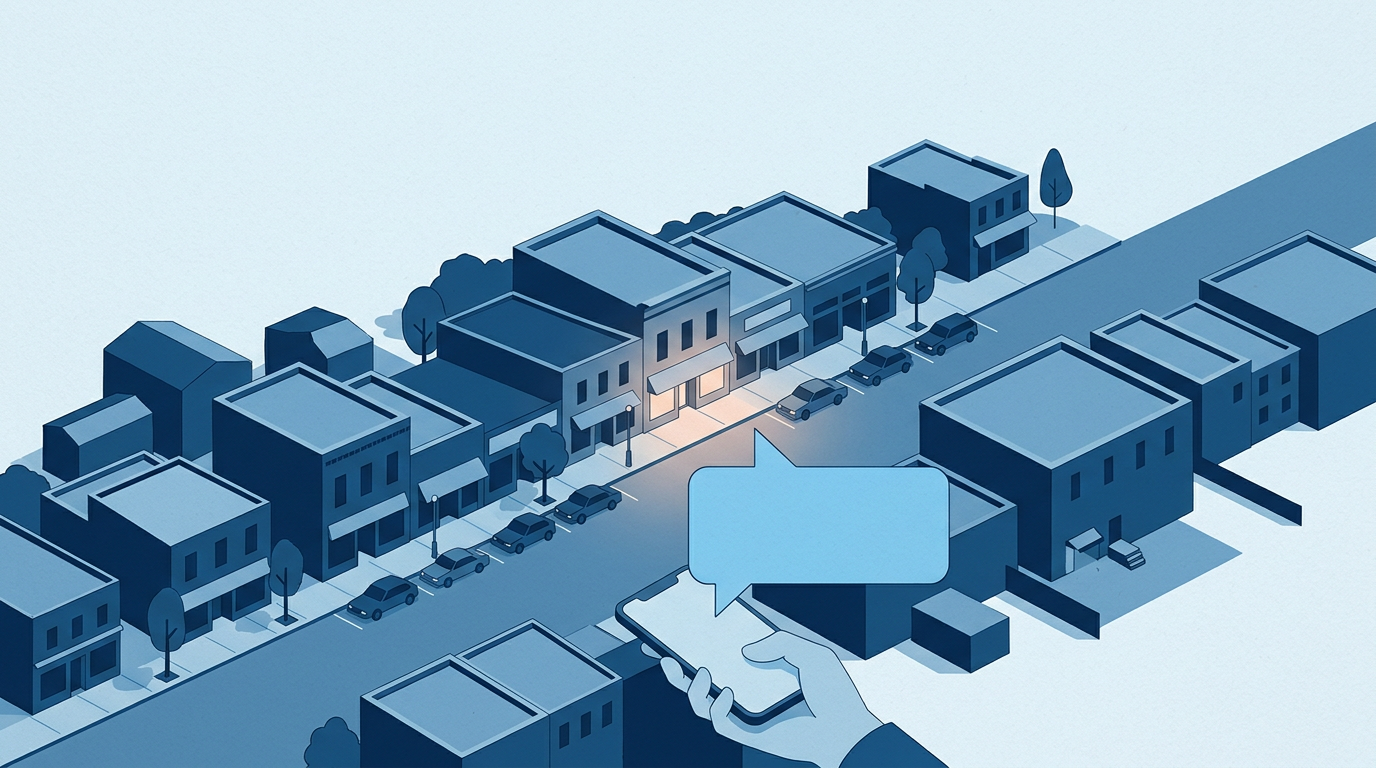
Bonita Springs sits in Lee County and Naples sits in Collier, and businesses there buy IT differently from the ones up the road. Response time is the part that has to be real.
In this article
- Why buying IT south of Fort Myers is different
- What "local" actually has to mean down here
- Hurricane season and continuity: the non-negotiables
- What fair pricing looks like in this market
- Red flags when you are comparing providers
- What Florida law expects of you if something goes wrong
- How to evaluate a provider without being a tech person
- The local angle
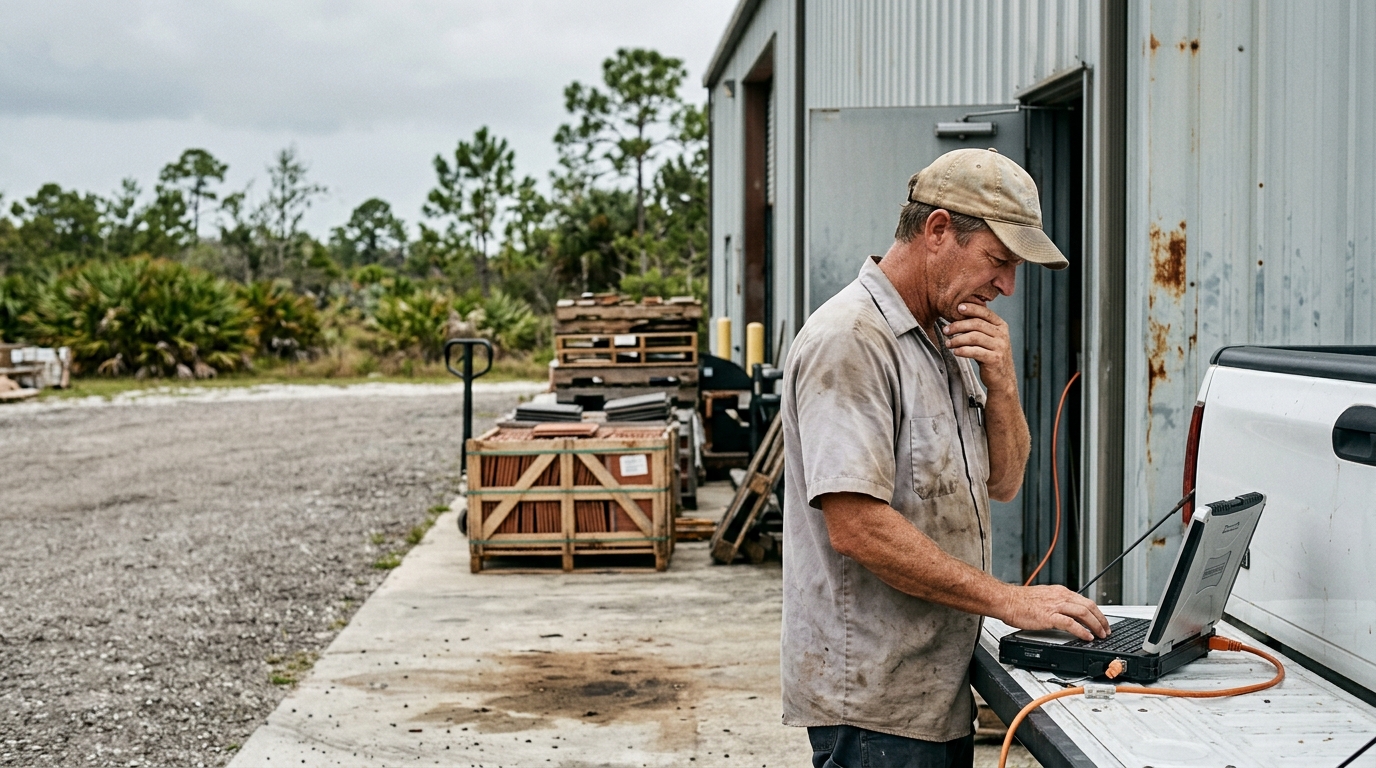
Your office loses power at 10 a.m. on a Tuesday in August. The internet goes with it. Your staff cannot access the files they need, your phone system is down, and you have no idea when the power company will show up. If your IT provider is a help desk in another state, you are waiting for a callback. If your provider is based in Fort Myers and knows the Gulf coast, someone is already heading your way.
That difference, whether "local" means a real person who can walk through your door the same day, is what separates a managed IT decision in Naples or Bonita Springs from a decision in a market where IT providers are plentiful and interchangeable.
Why buying IT south of Fort Myers is different#
Bonita Springs sits in Lee County, and Naples is in Collier County. Both are growing markets where businesses are investing in scalable IT and network infrastructure to keep pace with expansion. But the buying decision here is shaped by three things that do not apply everywhere: the distance from larger managed service providers, the reality of hurricane season, and a competitive mix that includes both local shops and remote-only help desks selling on price alone.
When something breaks, distance matters. A provider based in Fort Myers can reach Bonita Springs in 20 minutes. Naples is farther, across the county line, but still reachable the same day if the provider has made that commitment. A national help desk cannot.
What "local" actually has to mean down here#
"Local" is not a marketing line. It is whether the engineer who answers your phone can be in your building within hours when something critical fails.
A credible on-site response commitment means a written Service Level Agreement (SLA) that spells out response time for critical issues, ideally one hour or less from the time you call. It means the provider has staff based in or near your area, not a remote help desk that escalates to a technician two states away. It means they have already thought through the logistics of getting to you fast.
Remote-only support has a place. For routine help-desk questions, email, and software troubleshooting, a remote session works fine. But when your server is down, your backup failed, or your network is compromised, you need someone who can touch the hardware, inspect the physical connections, and run diagnostics on-site. The first time you face that situation, the difference between "we can send someone tomorrow" and "someone is already in your parking lot" is not academic.
Hurricane season and continuity: the non-negotiables#
Hurricane season on the Gulf coast runs June through November. A storm can cut power and internet for days at a stretch. Your technology has to survive the building losing both, and that only happens on purpose.
A serious provider, one who understands the market, will have already built a continuity plan with you before June. That plan includes tested backups (not just backups that exist, but backups you have actually recovered from), an off-site copy of your data (not in the same building), and a written procedure for how you keep working if the office loses power and internet for three days.
This is the single biggest differentiator between a managed IT provider and a break-fix shop. Break-fix shops show up after the disaster. Managed providers prevent it.
What fair pricing looks like in this market#
Managed IT in the Naples market is typically priced per user per month as a flat fee. Reported ranges run from roughly $85 to $225 per user per month, depending on the level of service, cybersecurity requirements, and industry compliance needs.
If you run a healthcare practice or a financial-services firm, expect to pay toward the higher end of that range. Compliance requirements are stricter, and the cost of a breach is higher. A general contractor or a dental office may land in the middle.
Flat-rate agreements are the norm because they let you budget predictably and because they align the provider's incentive with yours: they make money by keeping your systems running smoothly, not by charging you every time something breaks.
Red flags when you are comparing providers#
Before you sign anything, listen for these warning signs:
- No written Service Level Agreement. If they cannot put response time in writing, they are not committing to anything.
- Critical-issue response times longer than one hour. If the SLA says "24 hours" or "next business day," they are not set up for urgent problems.
- No local presence or rapid on-site response. Ask directly: "Can someone be here the same day if my server goes down?" If the answer is vague, move on.
- Over-reliance on offshore support with poor communication. You need to talk to someone who understands your business and your accent.
- No quarterly business review. A provider who never sits down with you to talk about what is working and what is not is not thinking about your long-term needs.
What Florida law expects of you if something goes wrong#
If your business is hit with ransomware or a serious cyber incident, Florida law requires certain steps.
Local governments must report ransomware incidents and severity-level 3, 4, or 5 cybersecurity incidents to the state Cybersecurity Operations Center, the Florida Department of Law Enforcement, and the local sheriff. If you are a private business, the reporting requirement is less formal, but the federal path is the same: report it to local law enforcement, the FBI's Internet Crime Complaint Center at IC3.gov (opens in a new tab), and the FTC at ReportFraud.ftc.gov (opens in a new tab). You can also forward phishing emails to [email protected].
This is not legal advice, it is the basic reporting framework. Your provider should already know it. If you ask them about incident response and they look confused, that is another red flag.
How to evaluate a provider without being a tech person#
You do not need to understand the technology to ask the right questions. On a discovery call with a potential provider, ask these:
-
Where are you based, and how fast can you get here? Listen for a specific answer: "We are in Fort Myers" or "We are in Naples." If they say "We cover the area," ask again.
-
What does your SLA say about response time for critical issues? Ask to see it in writing before the call ends.
-
How do you handle hurricane season? If they do not have a specific answer about backups, off-site data, and a continuity plan, they have not thought about it.
-
Can you come on site, or is everything remote? Remote is fine for many things. But you need on-site capability for the emergencies.
-
What does a typical month look like for you with a client like mine? Their answer tells you whether they are thinking about prevention or just waiting for problems.
-
Do you do quarterly business reviews? If yes, what do those look like? If no, why not?
A provider who can answer these clearly and specifically is thinking like a partner, not a vendor. A provider who is vague or defensive is not the right fit.
The local angle#
Buying IT support from Fort Myers south means buying from someone who understands the market, the weather, and the pressure on your business. It means response time that is real, not a promise. It means a continuity plan that is already in place before the next storm hits. It means someone who can sit across from you and talk about what happens when the power goes out.